
Can You Overland in a Subaru Forester?
Can you overland in a Subaru Forester? Yes — we do it all over the US in a daily-driven, base-model Forester. What it is, what it isn't, what we changed, and what actually matters.
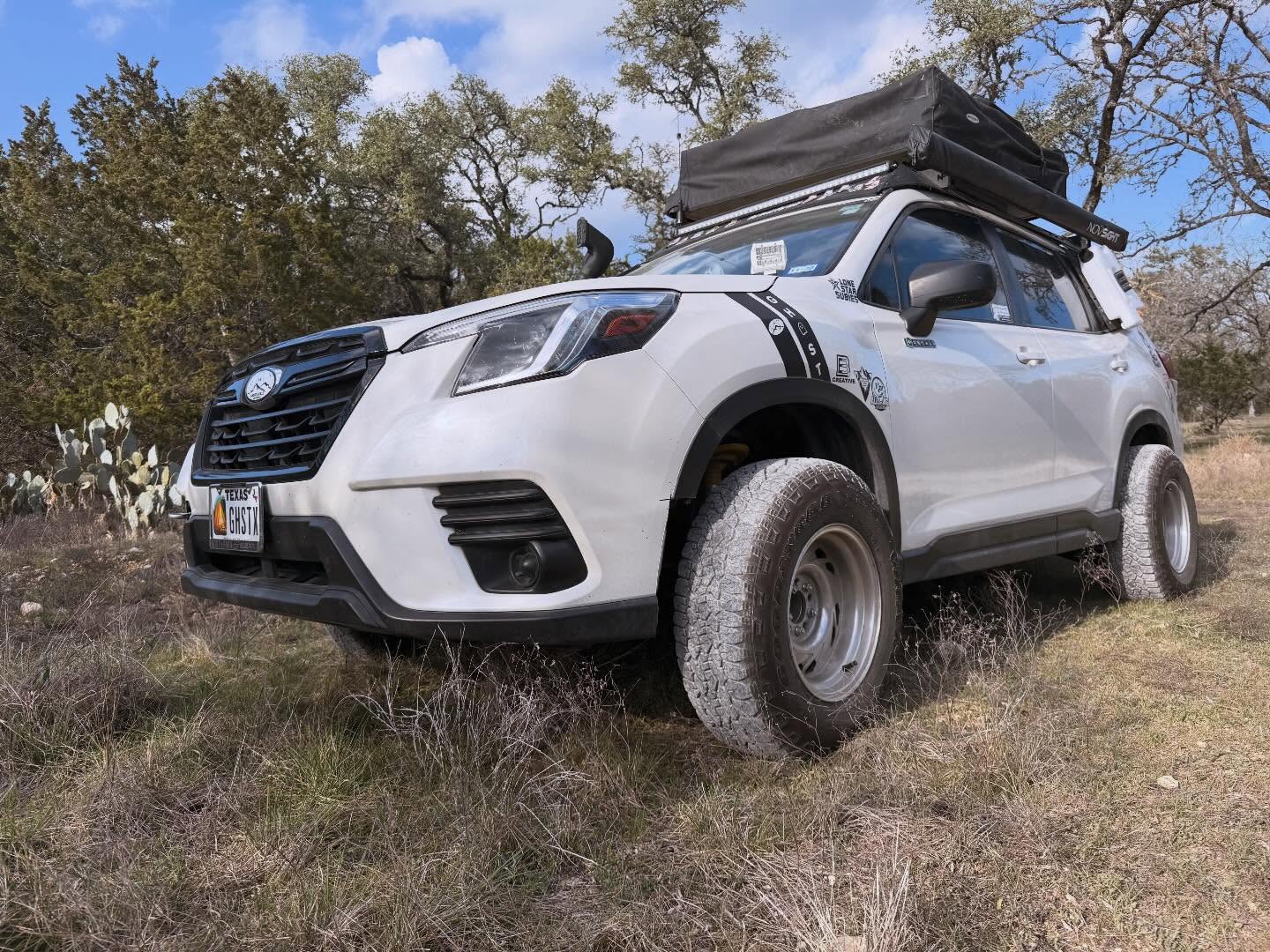
If you drive a Subaru, or you know anything about the overlanding community, you know what happens when you say you off-road in a Subaru. Immediately people laugh, ask why, or tell you you’re not really overlanding. 😅
But we’ve driven a Subaru off-road all over the US, and on pretty much every major highway — Highway 1, I’m coming for you. 😛
The easy answer is…
YES!!! 👻
We’ve been doing it for years — family camp weekends, long road trips, trailheads that make sedan drivers turn around. The Ghost is my daily driver Monday through Friday and our overland rig on weekends.
Truthfully, only a small part of it is about the vehicle. It’s more about knowing what the vehicle is capable of, building around that instead of pretending it’s something else, and knowing how you drive — because good driving can get you through a lot of rough terrain.
First — what the Forester is 🚙
A Forester is not a Jeep. It’s not a 4Runner. It doesn’t have low range, it doesn’t have a frame, and it’s not going to crawl the Rubicon. It’s utilitarian — meaning it can do just about everything, not excel at one thing.
What it does have: symmetrical all-wheel drive that’s excellent on forest roads, dirt, mud, and snow. Good ground clearance stock (even better if you go with the Wilderness). A roof that’ll hold a rooftop tent and all the other things we overlanders like to overpack and carry. And the part nobody talks about — 25+ mpg on the highway getting to the trail, which means we actually go, or buy gear, instead of saving up gas money. ⛽
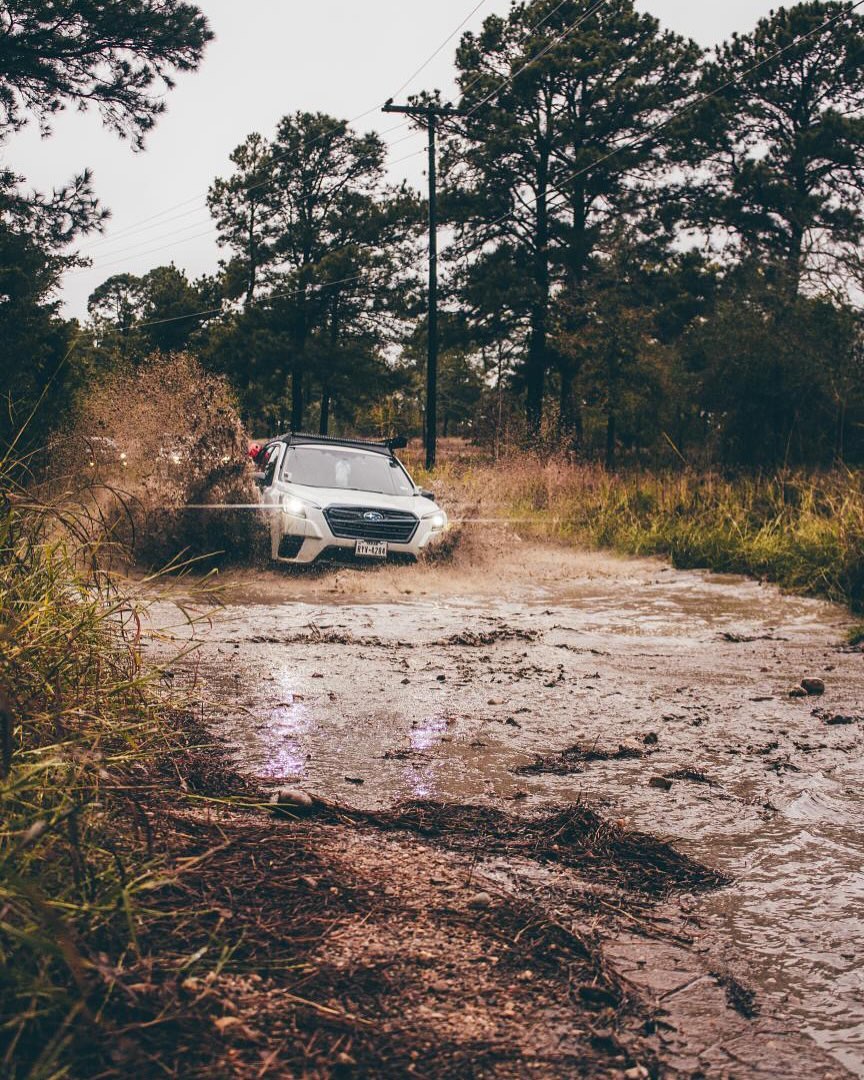
The best overland rig is the one you can afford to drive — and Subaru is arguably the most affordable. (I’ll break down the full math in my upcoming most affordable overland rigs post.)
Bonus: the community 🤝
Amazing community.
I’ve been in Toyota groups, I’ve gone off-road with various groups, and being in the military I have a pretty good grasp on community. I will say this: from Subaru customer service, to Subaru-sponsored communities through Base Camp and Subie Crew, to local car clubs like Lonestar Subies, State 48, and the Subie Collective — just to name a few — Subaru owners have taken community to the next level. These are groups that give back, help each other, and make whatever you want to do with your build a reality.
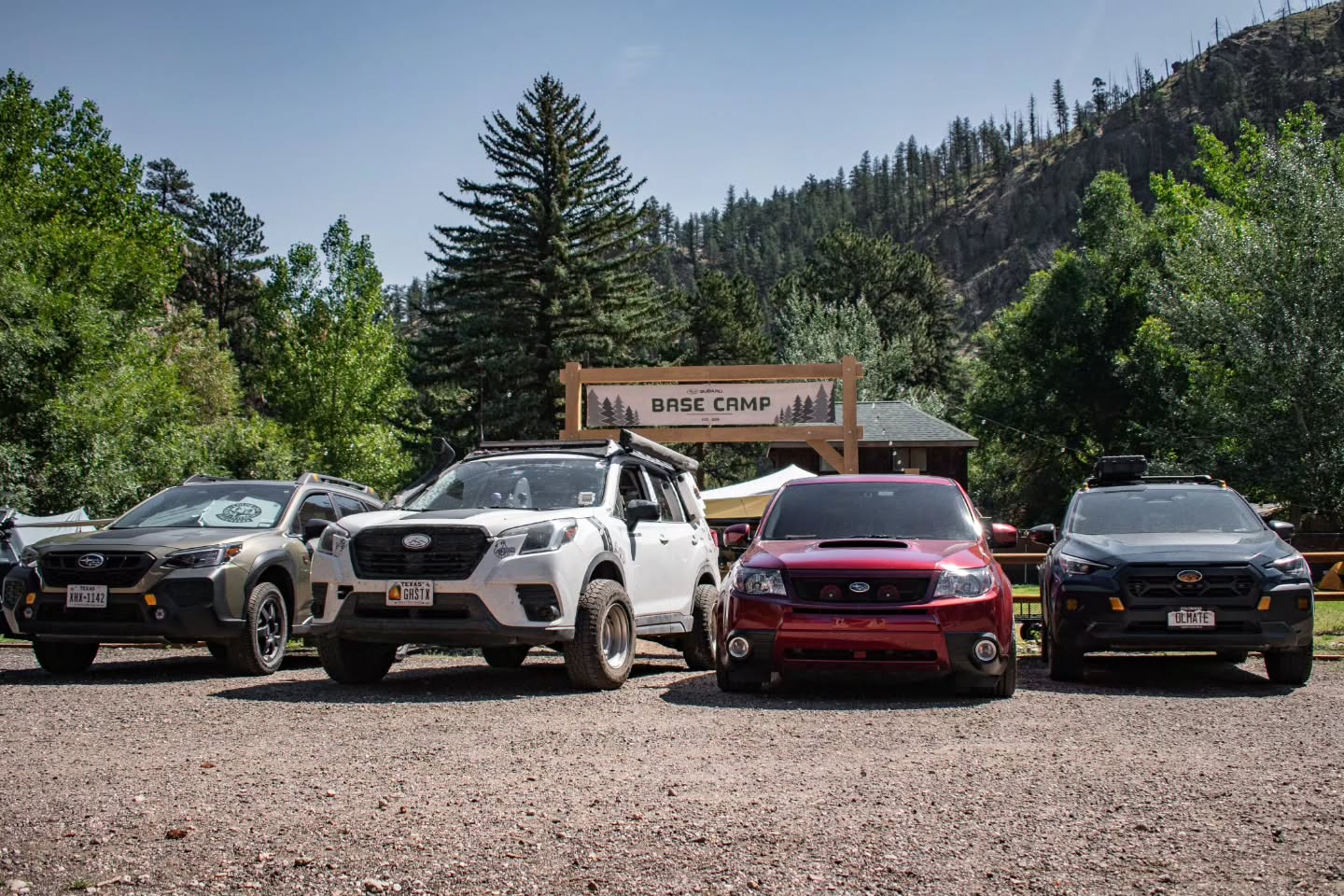
That alone is worth more than a locker on a lot of weekends.
What it doesn’t have
Let’s just get this out of the way:
The Ghost doesn’t have low range — the CVT and all-wheel drive can handle just about everything you can throw at it. (I know I just made a 4x4 driver spit their coffee, but it’s true. ☕)
It doesn’t have locking differentials (they can be bought, for the rear, and it really changes daily driving, so it’s possible, but for most not practical). It doesn’t have a body-on-frame chassis. And it definitely doesn’t have the articulation to crawl over boulders like it’s a Jeep on 35s.
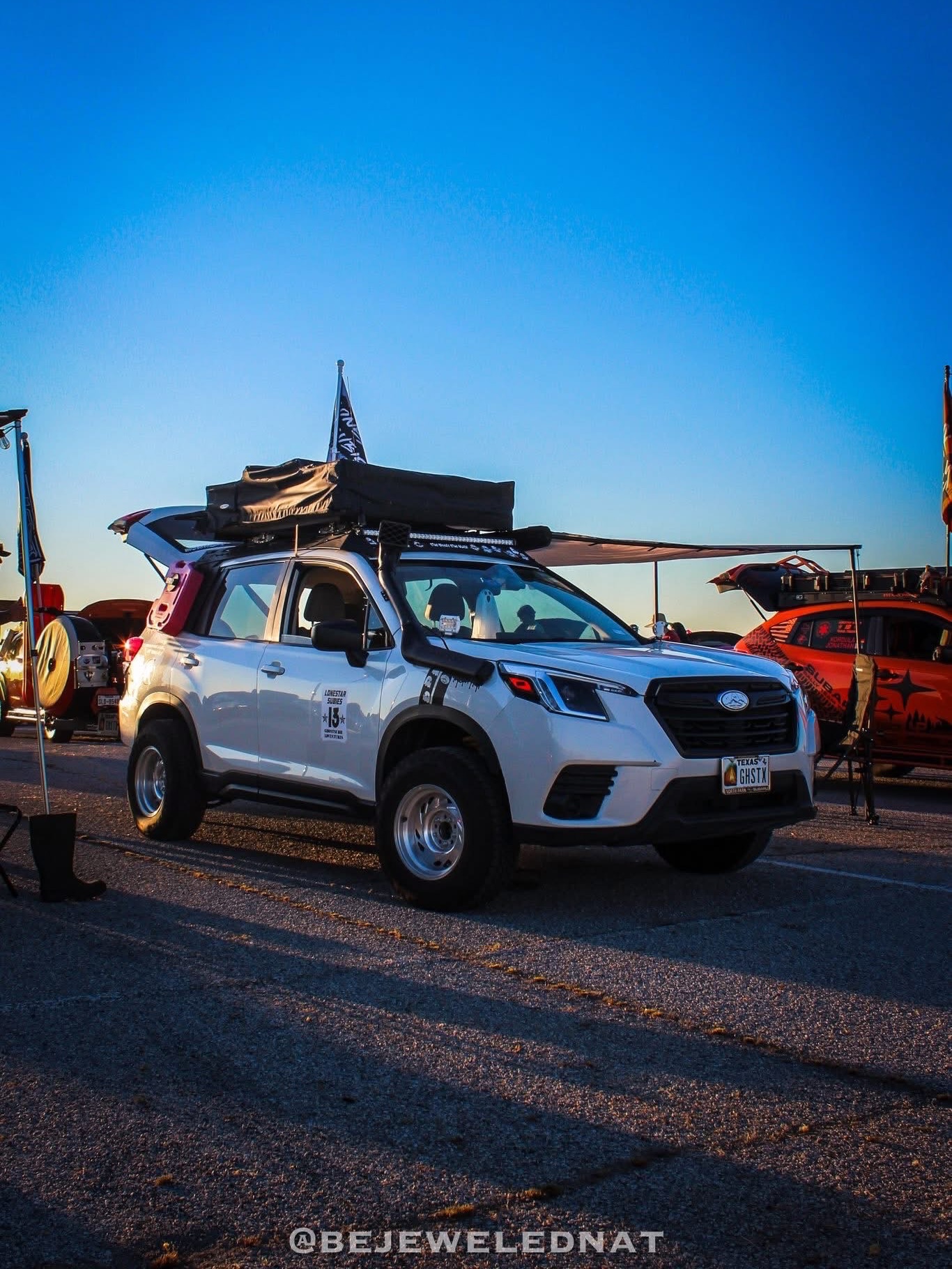
It’s a 2022 Forester — base model, not even the fancy trim — just a CVT and symmetrical all-wheel drive. That’s it.
I’m not listing that as an apology. I’m listing it because pretending it does have those things is how people get stuck, break stuff, and end up hating a perfectly good car because it’s not what Instagram says they should have.
We built around what it is, not what everyone says an overland rig is “supposed to be.”
What we changed 🛠️
The essential starts
Tires. The single biggest upgrade. Good all-terrains changed what the Ghost can do more than everything else combined.
Skid plates. Rival 4x4 created a full armor system built for the Subaru — easy to bolt on, and it provides full protection for the oil pan and CVT. In white, it matches the Ghost aesthetic perfectly. 👻
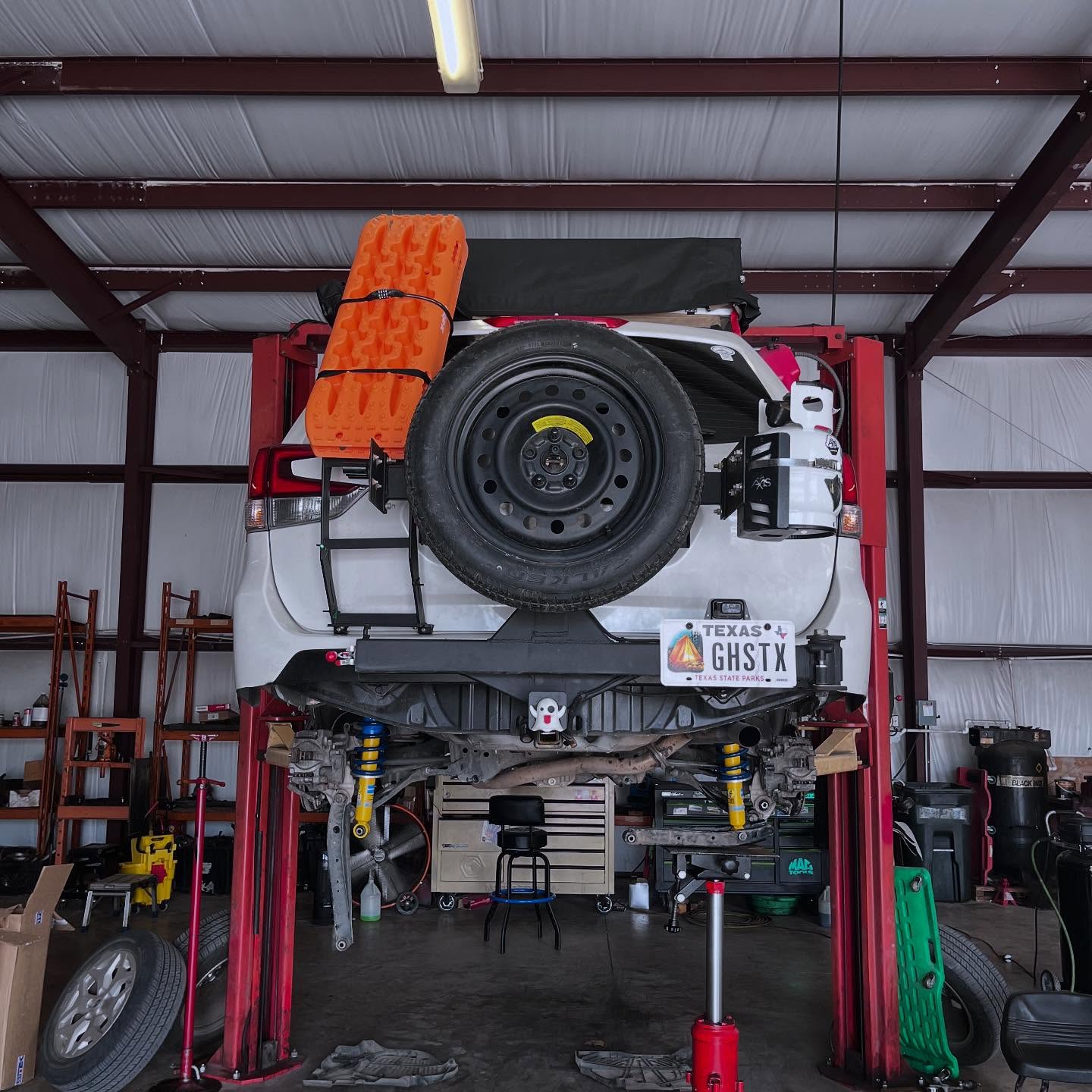
Lift kit. Stock clearance handles most activities, but the 2-inch lift from RalliTEK allows for a better ride over trails and more clearance. A lift comes standard in the Wilderness edition, if you don’t want to do the install yourself.
Lighting. A light bar and ditch lights for dark forest roads, and to make sure we stay safe on late-night arrivals. Yes, you can add chase lights and more, but at a minimum a light bar and ditch lights will handle what you need. 🔦
Nice-to-haves
Drawer system. Custom-fitted wooden drawers in the cargo bay from Wheels and Feels allow the back to still be used and ensure everything has a home. The top is a table, and setup takes minutes instead of an hour of digging.
Roof rack. The rack from NashFab allows for additional cargo, gear, or a tent up top (tents are optional depending on how you plan to use your rig), plus the ability to have side panels for fuel and water storage.
Custom tire hitch. It allows for spare tire placement and opens up the back wheel-well storage. Mine was custom built by a fellow Subie owner, Omar, but there are plenty of good aftermarket options — it depends on your wants.
Additional adds — but not needed
Winch and front bumper. It’s a nice-to-have, but really, a good set of traction boards and straps can get you out of most situations. I’ve honestly only ever used mine to pull others out. 😎
Pedal Commander (or a throttle control system). Not necessary, but it can help remove some of the throttle lag and provide comfort and economy while driving.
Solar panel and fridge. I run a SetPower PT35 and love it. It’s powered off my alternator and Lensun solar panel, but honestly, it’s a comfort upgrade. A regular cooler will work — but sometimes ice cream at camp is just nice, and it helps with grocery runs. 🍦
What actually matters (it’s not the mods) 🧠
This is the part the build channels skip: restraint is a modification. Every dollar we didn’t spend on the rig is a dollar we spent on going — and some of those mods are just FOMO creeping into your build.
Knowledge is your best friend.
Know your line. A Forester goes a lot of places if you pick smart lines and go slow. It goes nowhere if you point it at a rock garden and hope.
Air down. Dropping to 18–20 psi on dirt is free and transforms traction and ride.
Pack light. Weight is the enemy of a crossover. Our whole “everything earns its spot” packing philosophy exists because of this car.
Maintain it like your life depends on it. Because out there, it kind of does. Fluids, tires, brakes — boring, unsexy — but if you take care of your ride, your ride will take care of you.
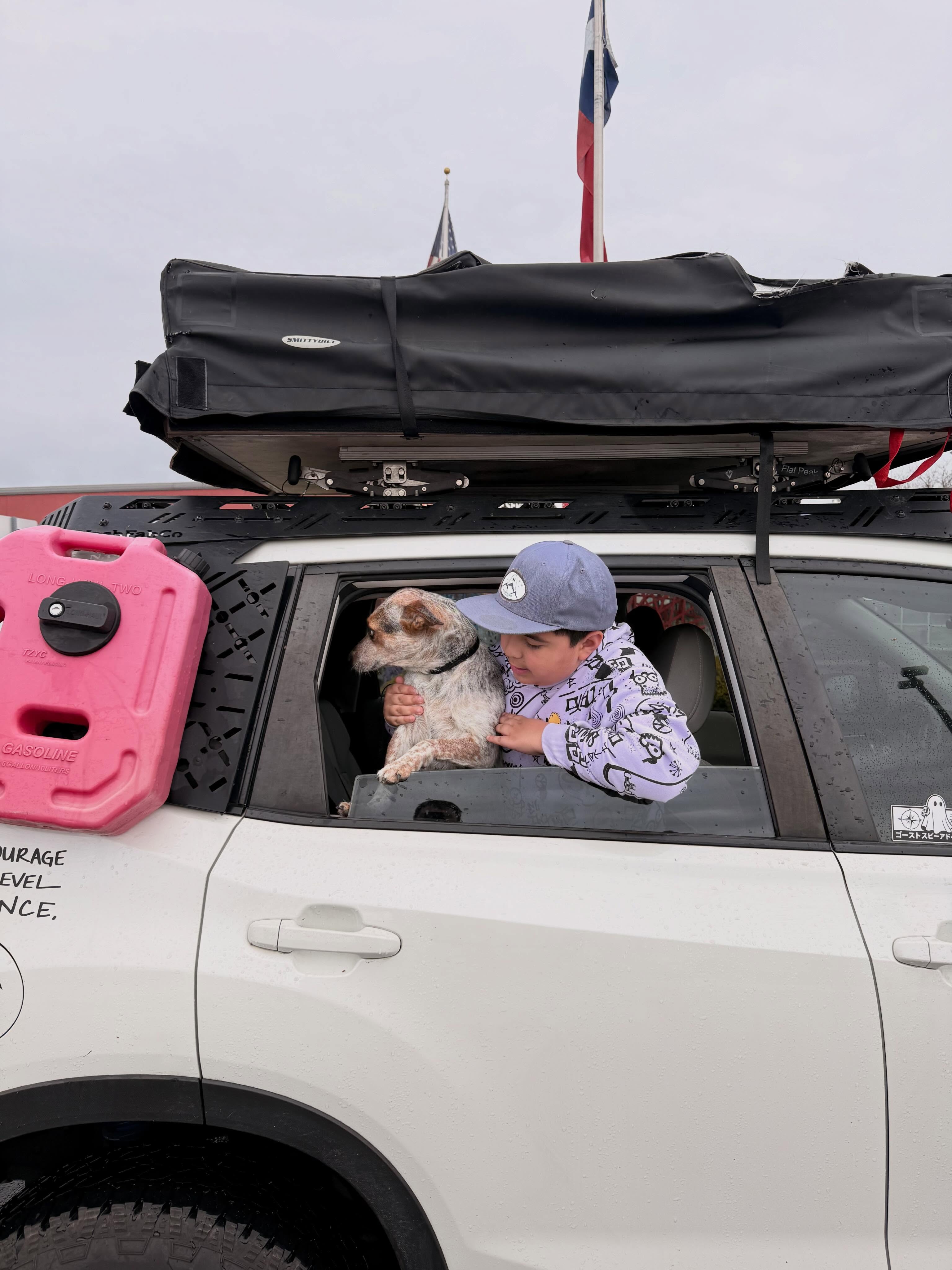
At the end of the day, mine is built to be a daily-drive and bug-out rig. Adventuring and overlanding is how I test it and enjoy some quality family time. 🏕️
The compromise is real: we can’t follow the built Jeeps everywhere. I’m not going to be rock-crawling up Moab anytime soon in it. But we also drive to work in comfort, park in a normal garage, and fill up for half what the big rigs pay.
For a family that overlands most weekends and commutes every weekday, it’s not even close.
Your daily driver is the bug-out rig. Ours just happens to be a Subaru, because in our opinion it’s the best mix of value, capability, and daily comfort. 👻
New here? Start with what “preparedness without panic” actually means — it’s the whole philosophy in one post.
Take the Rig-Ready Checklist on your next trip.
The exact pre-trip scan we run before family camp — free.